01
Mapping as Understanding
Mapping is how I refuse to commit to a narrative too early.
I'm currently a Master in Design Studies candidate at Harvard's Graduate School of Design, in the Publics Domain track, after a First Class Honours Bachelor degree at UCL.
Beside that, I am
I chase the problem, not the toolkit. I learned social science, theory and method, to take a structure apart and see why it holds together the way it does. I learned design, fabrication, visualization, methodology, to build something that could act on what I found. I learned AI and infrastructure because the problem in front of me needed it. None of it was the goal. The problem was.
Drop me into a problem outside my training, and I will go acquire whatever it takes to solve it: a research method, a fabrication process, an unfamiliar piece of software, a new part of the AI stack. I do not wait until I am already qualified to start.
Know more about me Download CV
Contact me at yvette_ge@gsd.harvard.edu yanqin.ge@outlook.com LinkedIn WeChat: yvt_to_come +1 617 680 8178 +86 138 1769 4948
A century-old Teochew shrine still stands on Block 33, Sam Yan, its fourth-generation caretaker now facing a 122-million-baht civil-damages claim from the university's property arm. This archive names the pattern, in English, Chinese, and Thai, and lets you walk it five different ways.
View Case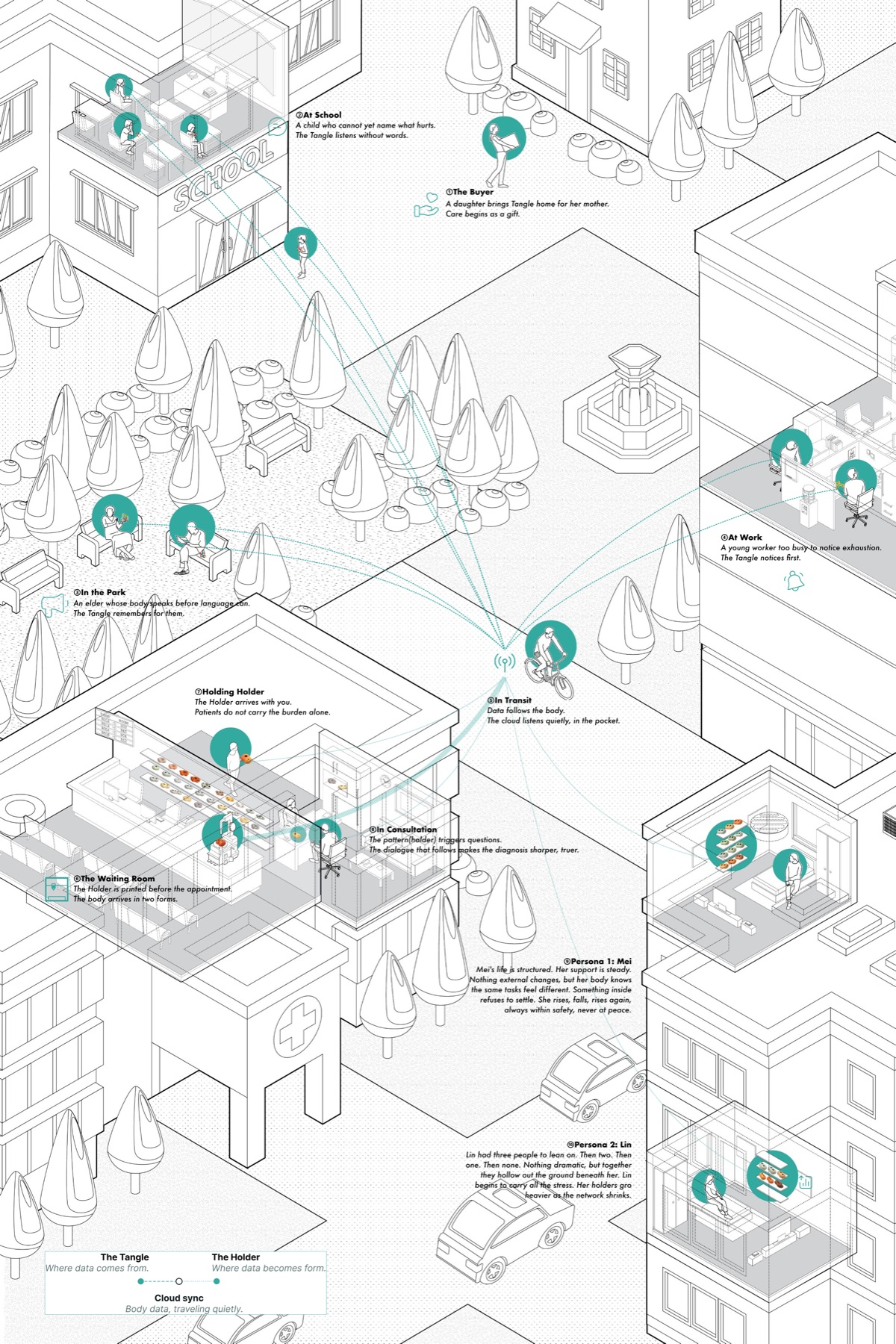
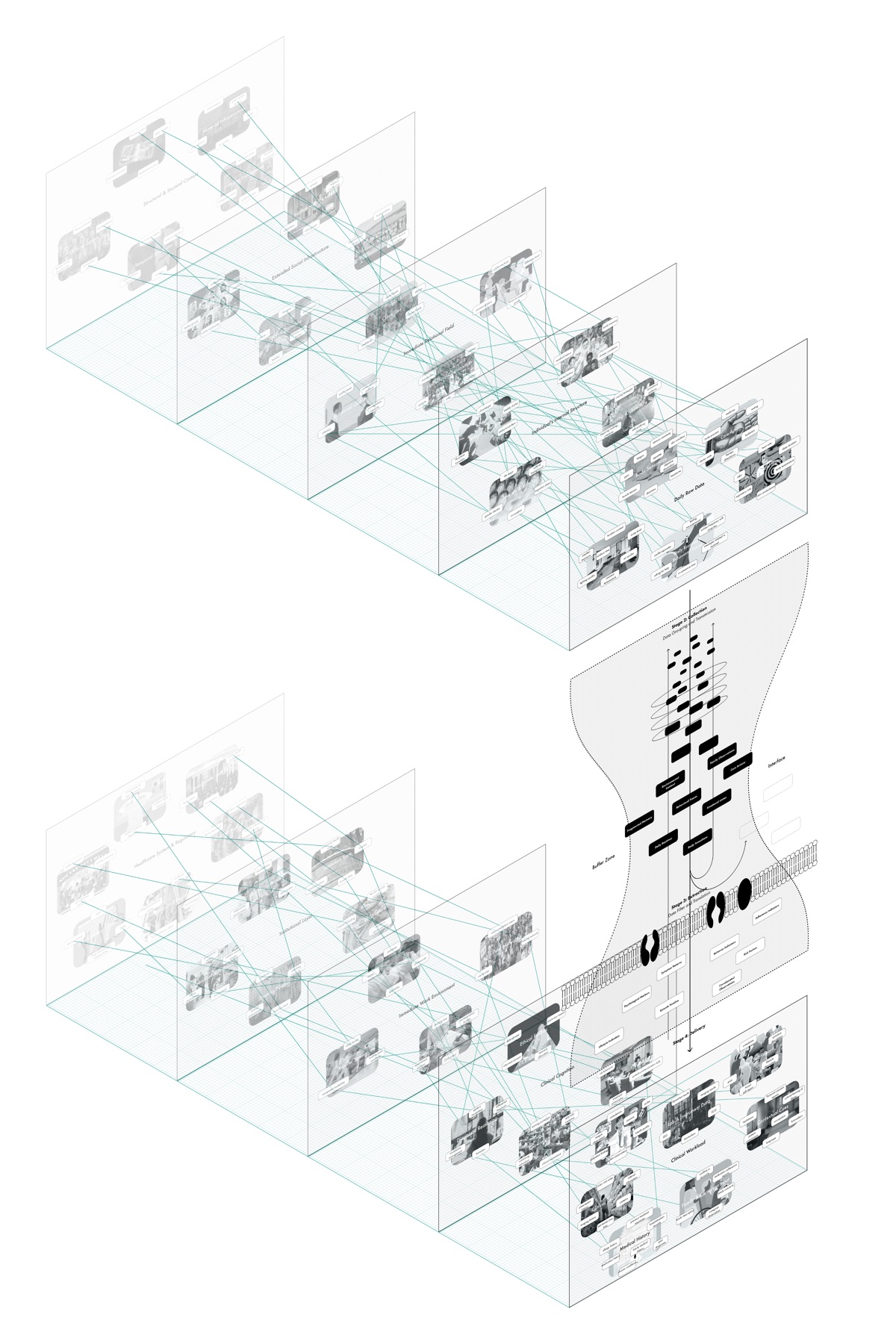
In a fifteen-minute appointment, a patient can't hand over a life's worth of accumulated state. So I built a touchable object that hands over the pattern instead.
View CaseSixty strangers wrote down the most private thing they had. Aggregated, their wishes mapped the structural forces shaping their lives.
View CaseSome structures are invisible because they happen inside a person. This installation turns one, dissociation, into a space you can stand inside.
View CaseA small teaching tool on the surface. Underneath, a claim about distributed, agent-mediated knowledge infrastructure, trademarked two years before the term caught up.
View Case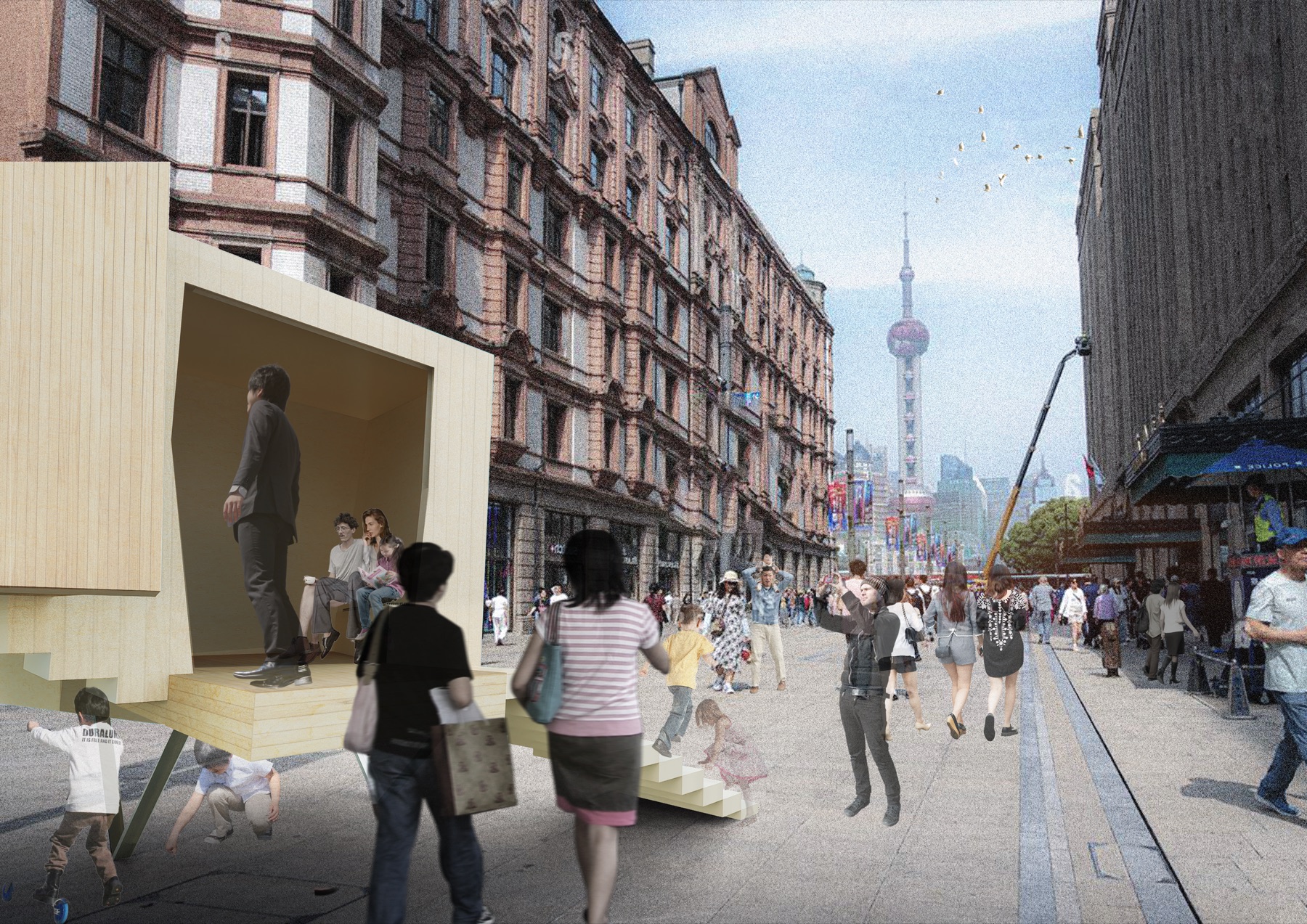
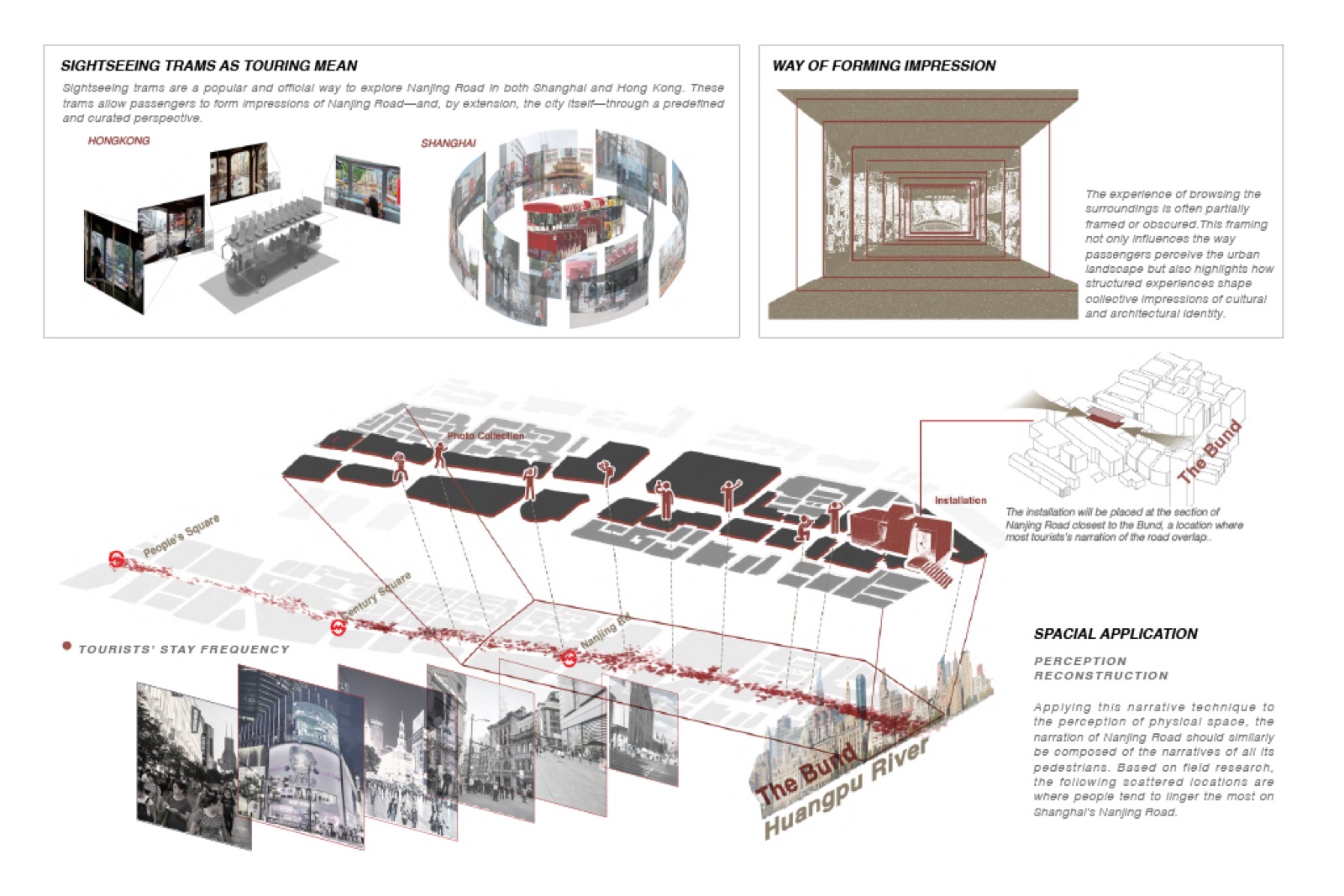
A frame manufactures your impression of a city. Change the frame, and two cities can both be true at once, without judging each other.
View Case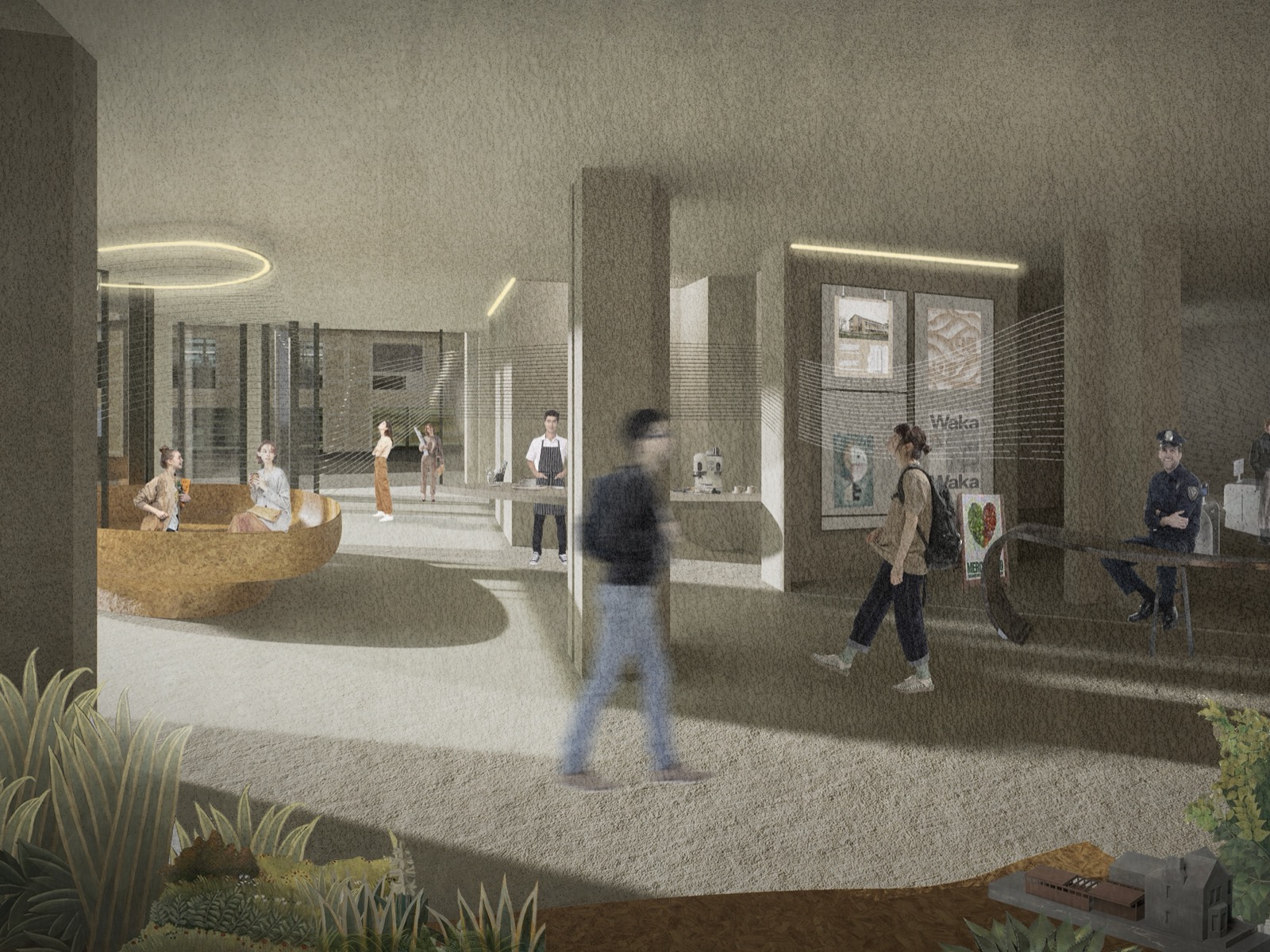
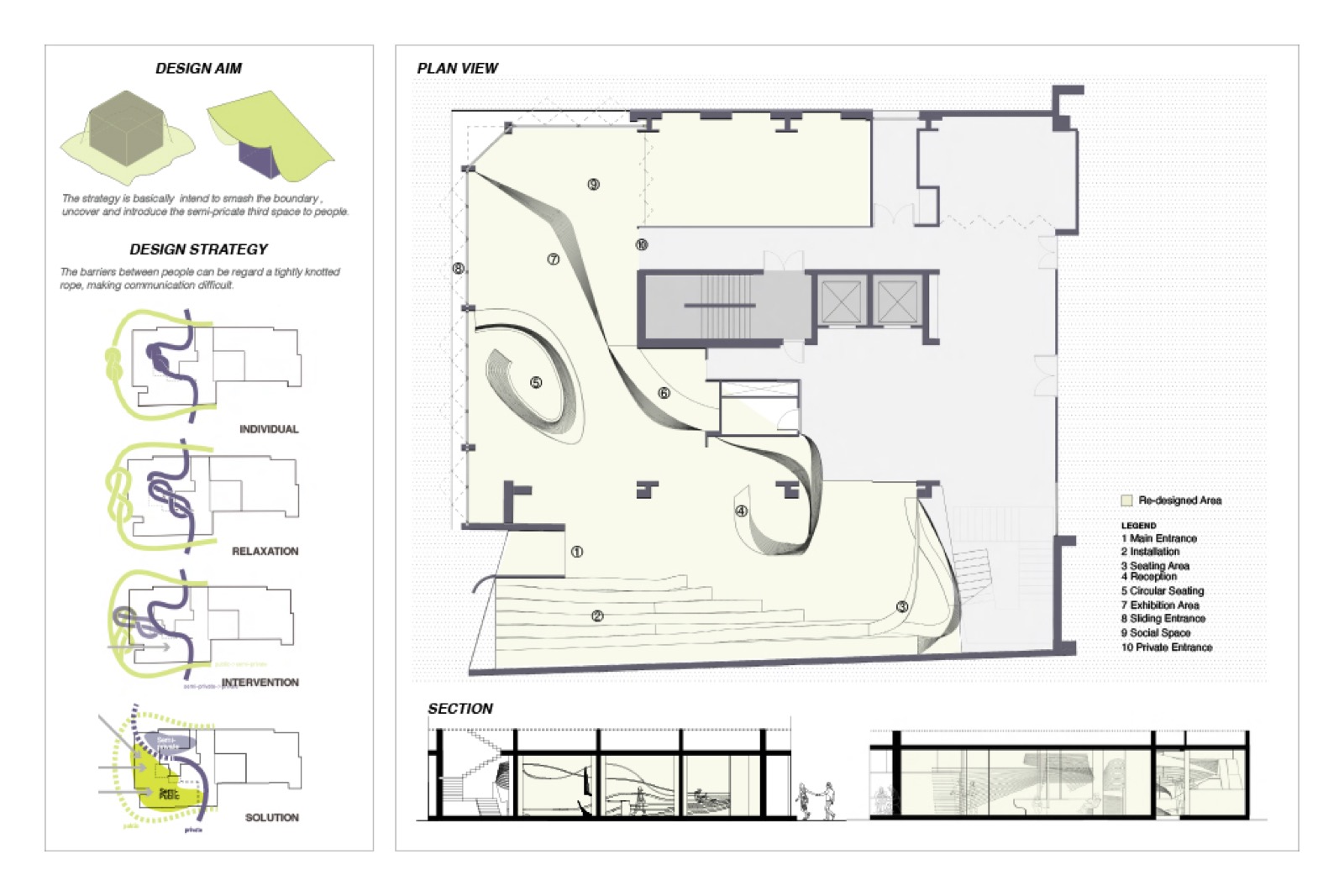
An institution that calls itself open had withdrawn its publicness through a turnstile and a security desk.
View CaseAn HVAC setpoint buried in a dashboard four people could see. I turned it into something the whole building could read and contest.
View Case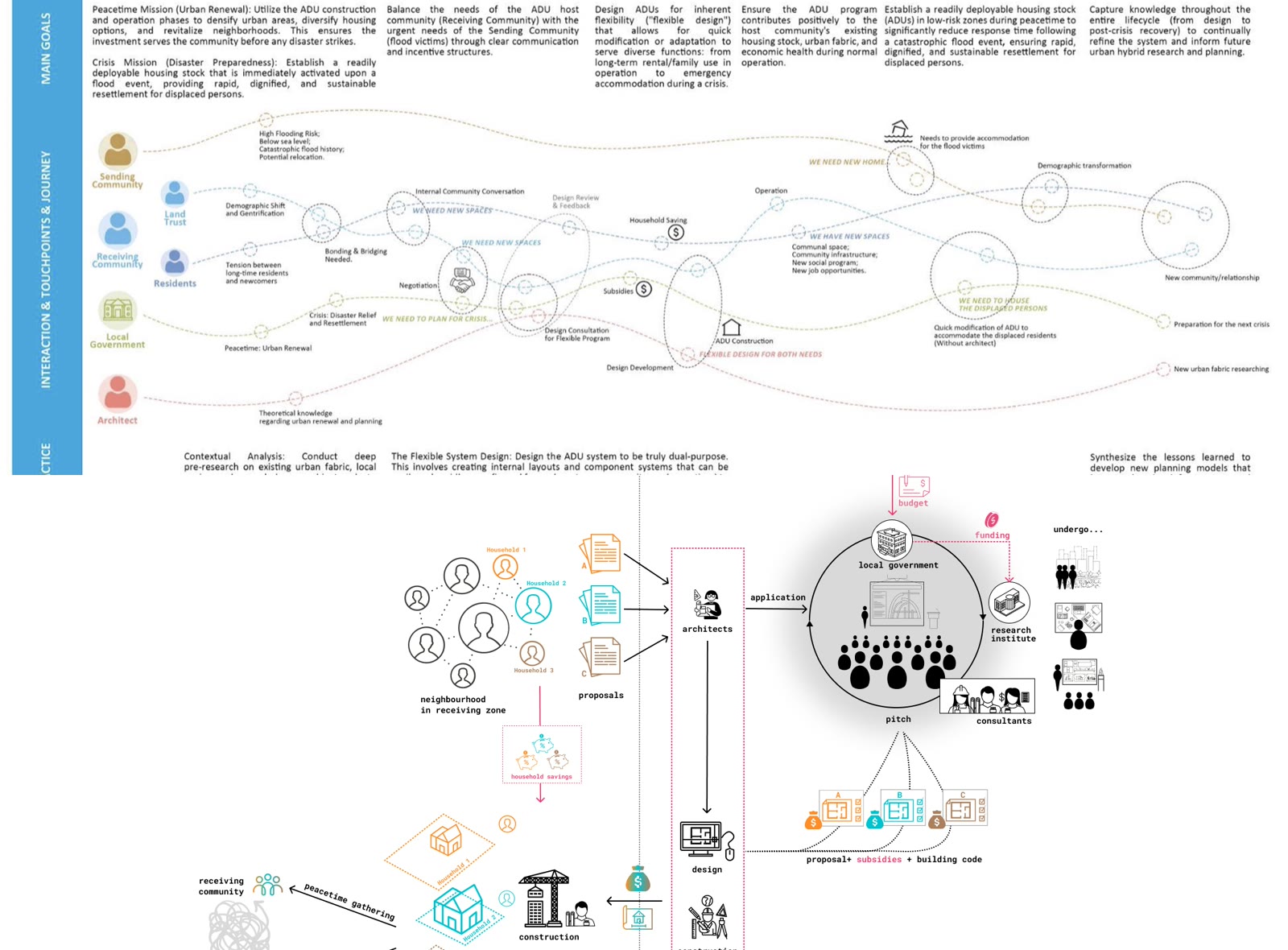
Capital funds emergency damage far more easily than pre-disaster preparedness. I rewrote post-disaster housing as pre-disaster infrastructure.
View Case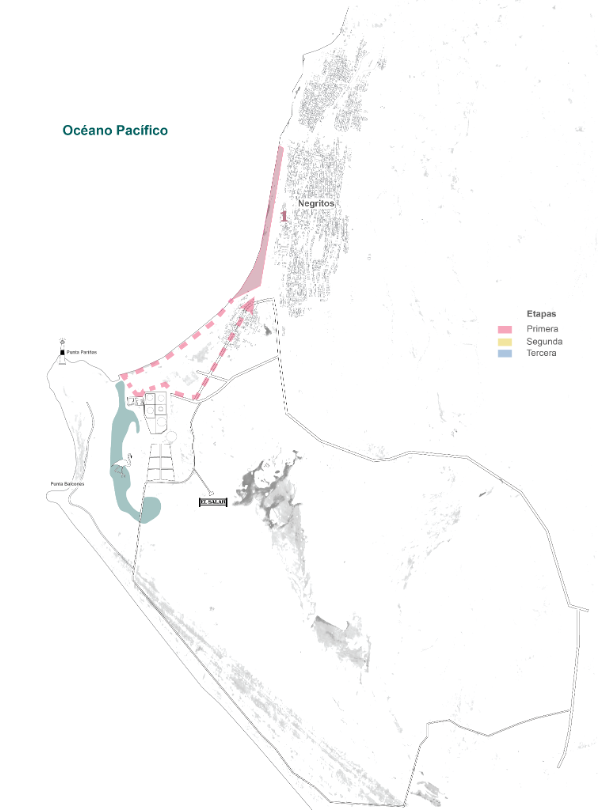
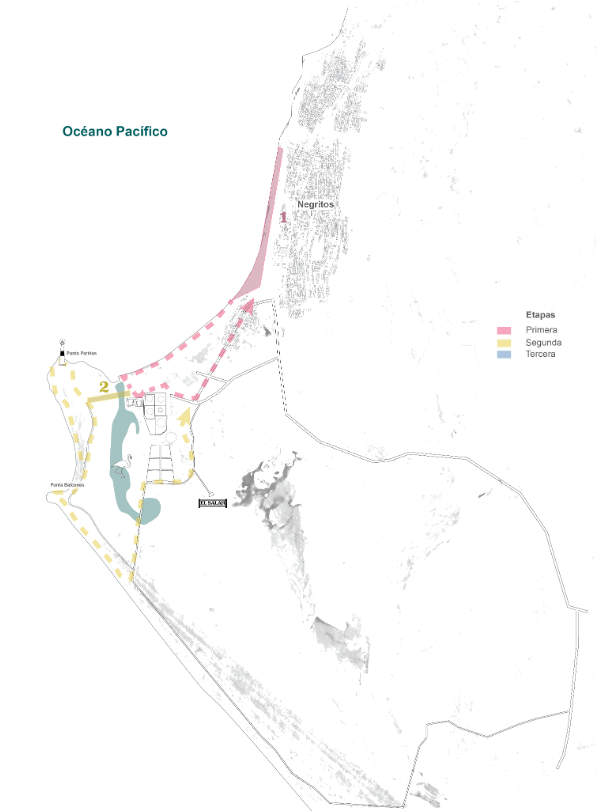
Squeezed between oil rigs and rising tourism, I asked how tourism, conservation, and livelihoods could be organized together.
View CaseAfter three years tracing habitus, my thesis landed on cleft habitus: the condition of being caught between two mutually untranslatable worlds, forced to hold two logics of action at once. It is structural, produced by capital, institutions, language, and access to information, then internalized as the pattern by which we react.
I refuse to romanticize this position. Bilingual advantage and cross-cultural vision give me not an advantage but constant friction, and friction is a force. I convert that dislocation into method rather than curing it.
Across contexts, I care about how occlusion becomes a problem, and how it becomes an entry point. Problems are never isolated. They are tangled causal chains under one structure. Pull one thread and the whole thing moves, so where do we start?
I believe restricted information flow is what constrains the thinking that could produce change. Information silos make a system's complexity available to only some. I can't erase the vast inequalities of institution, information, and resource, so I design interfaces that at least make them visible, contestable, and acknowledgeable.
My strength is to acquire the capacity to compose a solution, then step back and make the settling process itself observable: surface the institutional grammar, decompose a seemingly natural outcome into deliberate moves, hold any settlement accountable before and after it occurs.
Design tends to reach for representation. I avoid it, because it assumes the represented need someone to speak for them. In practice I find the opposite: the represented are never silent, their speech simply isn't on the channel that gets heard.
I wrap up evidence of how power relations and capital flows operate, translate it for different actors, especially those the operations act upon, and build interfaces usable for negotiation or protest. A tool can sharpen expression, or be the medium itself.
01
Mapping is how I refuse to commit to a narrative too early.
02
Information is filtered, hierarchized, optimized for external readability.
03
I treat my own position as dynamic, relational, and self-aware.
04
I build mechanisms that force readers and participants to inhabit several perspectives at once.
05
I compress the mess into a takeaway a smart, contextual, non-expert reader can follow.
06
I select and phrase evidence in the least-distorting way that lets the reader keep their own judgment.
Every project answers one question: what does this way of designing how problems are seen grow into, in one concrete context?
Social science is what keeps me alert: to the world, to the structures inside it, to the problems those structures produce. Seven papers from the UCL years, and what I want on top of them is speed. To see clearly, then move quickly, and enjoy the moving.
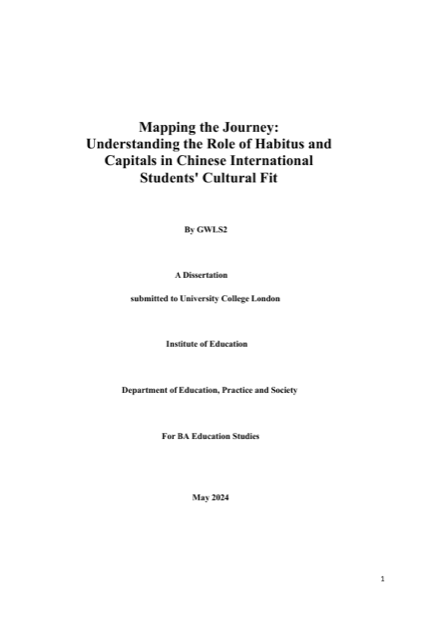 00Mapping the JourneyHabitus and capitals in Chinese international students' cultural fit. The cleft-habitus research the rest of this site runs on. Read it and the vocabulary in How I Work stops sounding like metaphor.Sociology of education, research design, cross-cultural and comparative studyDissertation · UCL Institute of Education · 202415,234w

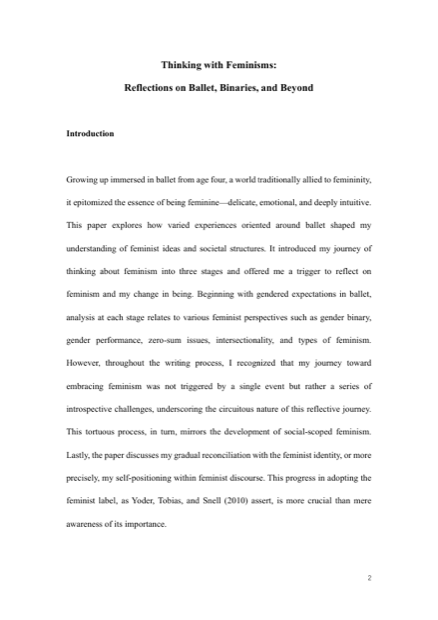 01Thinking with FeminismsGender studies, anthropology, autoethnographyEssay · +extras2,224w

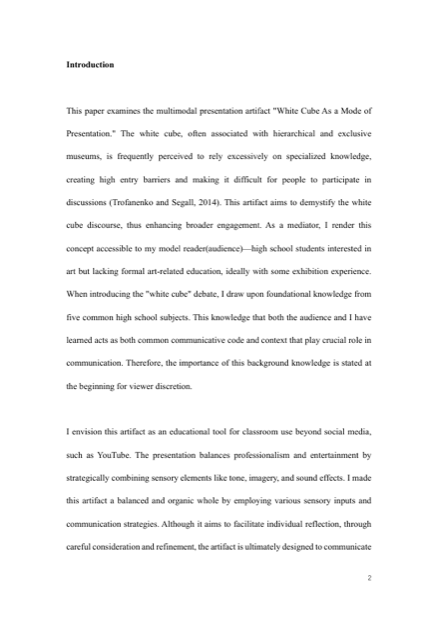 02Communicating KnowledgeScience communication, public engagement, media productionReflective essay · +extras2,500w

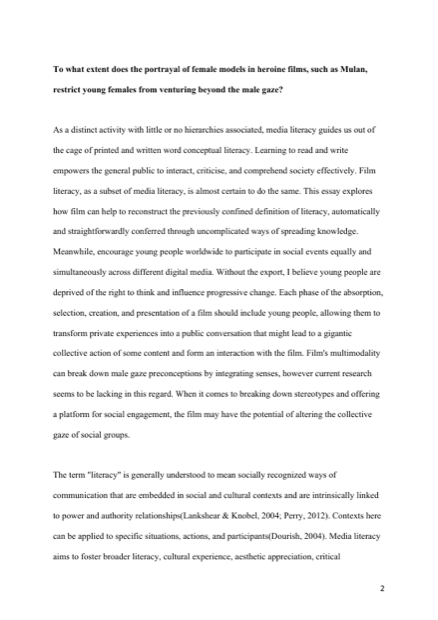 03Heroine Films and the Male GazeFilm and media studies, feminist theory, representationEssay1,680w
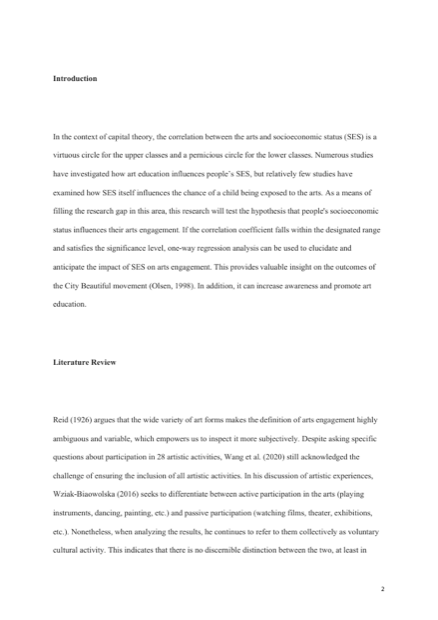 04Who Can Afford CultureQuantitative sociology, cultural economics, secondary data analysisQuantitative essay2,207w

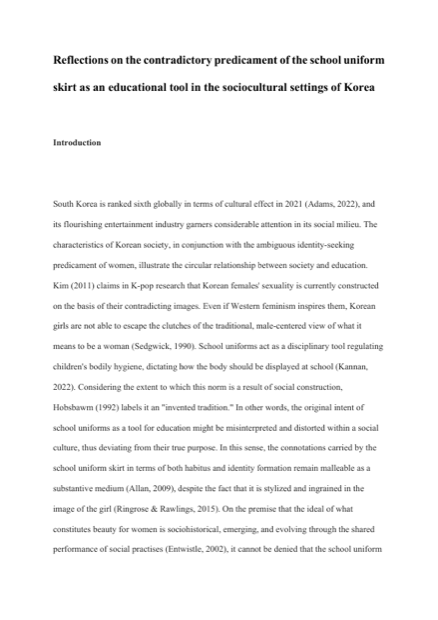 05The School Uniform SkirtSociology of the body, East Asian studies, policy critiqueEssay3,224w

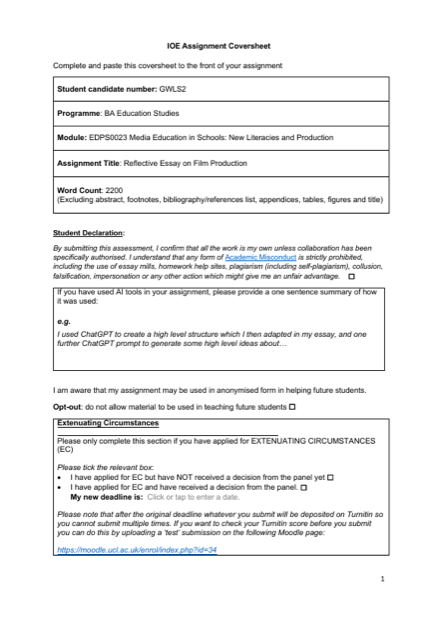 06New Literacies and ProductionMedia literacy, pedagogy, practice-based researchReflective essay · +film2,674w